Commercial projects
Planning commission for commercial projects
Planning commission is where a commercial project goes to be looked at by people who did not draw it. RPD builds the package — site plan, narrative, and the answers staff already asked — so the dais has less to postpone.
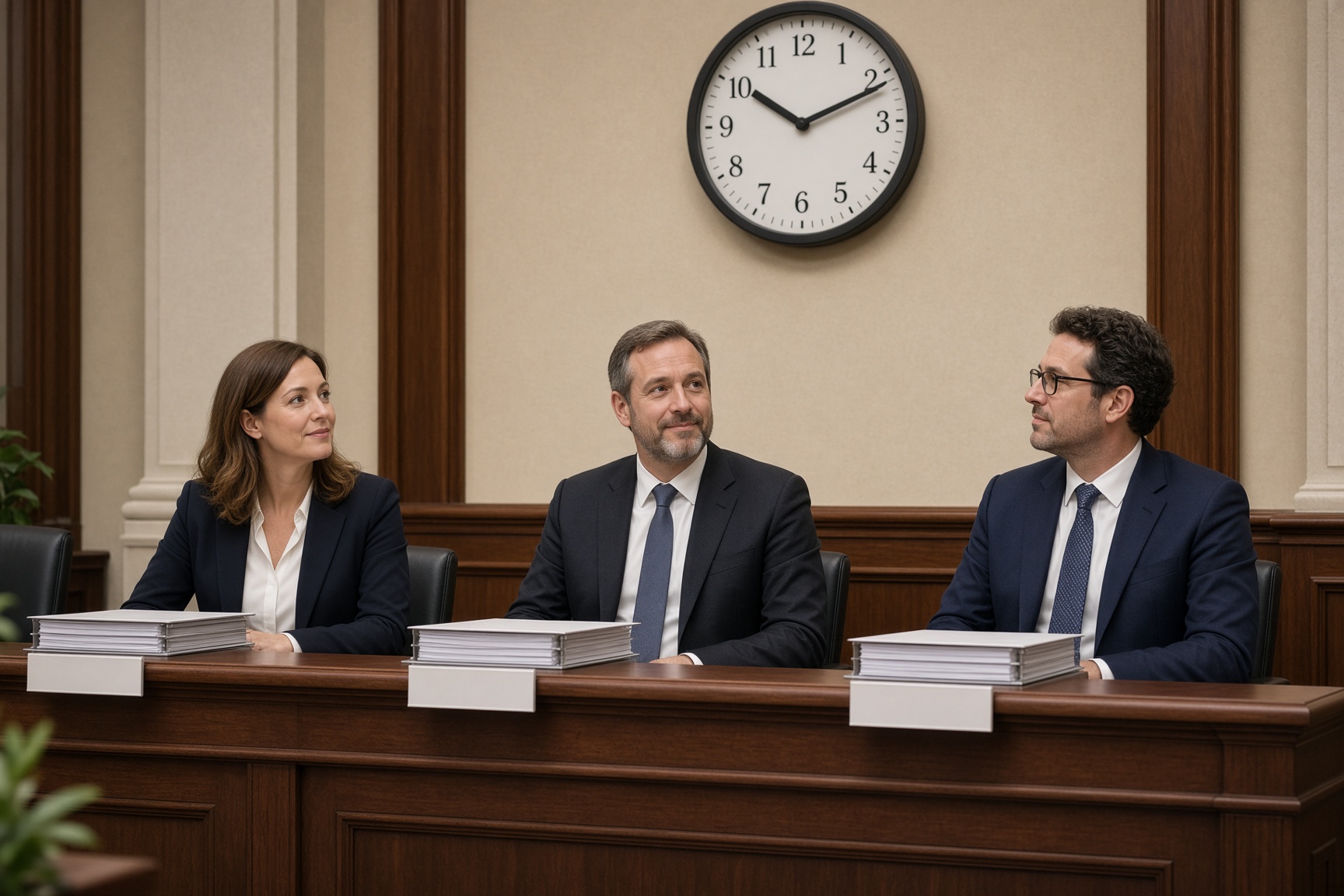
The headache
- Staff comments arrive late, and the hearing does not care.
- The site plan, the traffic note, and the landscape sheet are describing three different driveways.
- A neighbor question becomes a continuance because nobody brought the exhibit.
- The calendar says approved. The conditions say “come back.”
How RPD handles it
- Submittal calendar built backward from the hearing, not forward from optimism.
- One narrative: use, access, parking, buffering, and what changed since the last version.
- Exhibits labeled for a person seeing the site for the first time from a dais.
- Condition tracking so “approved with conditions” becomes a buildable list.
What you should be able to hold
- Hearing package and staff-comment responses
- Site plan coordination with zoning and civil
- Continuance prevention list — the missing sheets, found early
- Approved-condition matrix handed to permitting
A planning commission hearing is a public editing session with a gavel. Commercial projects get continued when the package is thin, when disciplines disagree, or when the applicant is meeting the site for the first time in front of the board. None of those are mysterious. They are scheduling.
RPD runs the hearing like pre-construction: what will staff ask, what will the board be able to see from the exhibit, and which condition will ambush the permit set if we nod at it too quickly. We would rather revise a driveway on paper than explain it twice.
When the commission is done, the work is not. Conditions have to survive contact with engineering and the permit reviewers. Turn-key means that handoff stays inside one company, not in a chain of “I thought they were handling that.”
This sits inside a turn-key scope: pre-construction, the build, and furniture and retail display installation. For the wider map of pain, see the commercial renovation headaches.
Questions on planning commission
Why do commercial projects get continued at planning commission?
Usually because the package cannot answer a foreseeable question: parking counts, access, buffering, or a staff comment that never got a written reply. Continuances are often incomplete submittals with a nicer name.
Do we have to attend the hearing?
Someone who can speak to the project should. RPD prepares the record and the exhibits so that person is not improvising from a rendering.
What happens to conditions of approval?
They become part of the building. We translate them into the permit set and the field checklist instead of leaving them in the minutes.